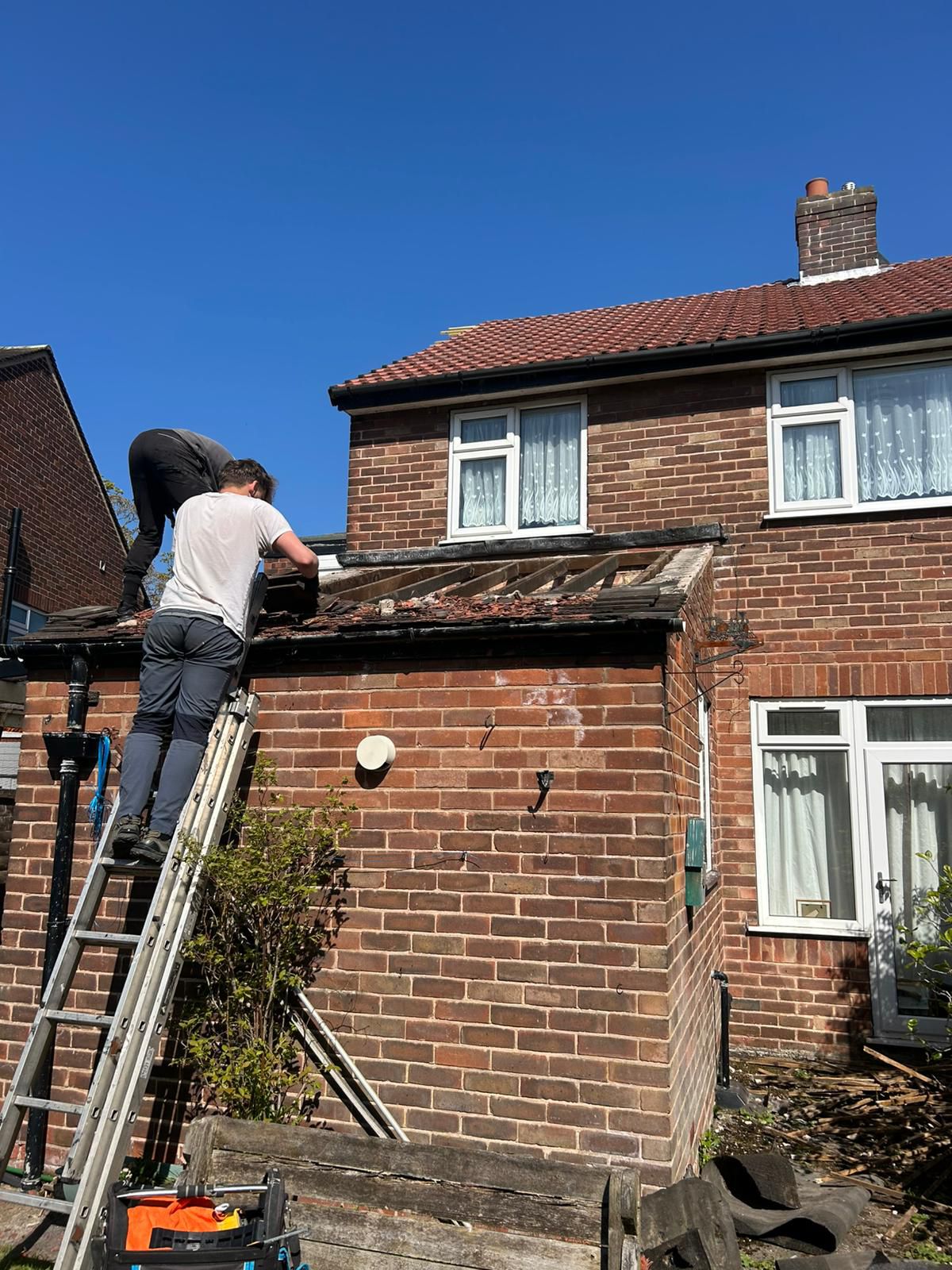
A roof is one of the most expensive parts of a home yet many homeowners have no idea how long it is supposed to last. And the difference between a roof that lasts 20 years and one that lasts 100 years often comes down to a single factor: the material. Slate roofs are naturally durable and last 150+ years while asphalt shingles may need replacing after just 15–40 years depending on their quality.
Knowing how long your roof should last is the first step towards avoiding unexpected repair and replacement costs. This is why we have explored everything you need to know about how long does a roof last in the UK.
How Long Does a Pitched Roof Last in the UK?
Pitched roofs in the UK are made of different materials and each has its own lifespan. Common materials are slate (natural or fibre-cement), clay, concrete, metal (standard or premium) and asphalt (standard or architectural).
On average these materials can last anywhere between 20-100 years but it depends heavily on the maintenance and installation quality. Here’s everything you need to know about each roofing material commonly used in the UK.
Natural Slate
Natural slate is one of the most popular and long-lasting roofing materials in the UK. It can easily reach a lifespan of 80-150+ years and many Victorian slate roofs still perform well to this day. Slate is non-porous so it is well-resistant to water, moisture and freeze-thaw cycles.
What Affects Its Lifespan: Natural slate itself can last 75–150+ years but the nails holding the slates often fail before the slate does. As the nails corrode the slates become loose and start slipping which is why timely repairs are important even when the slate itself is in good condition.
Fibre-cement Slate
Fibre-cement slate is a lightweight and affordable alternative to natural slate. With a lifespan of 20-50 years it places minimal strain on roof structures unlike heavy natural slate. Fibre-cement slate is also available in many colours, sizes and edge finishes which makes it versatile for roofs.
What Affects Its Lifespan: Proper nailing, underlayment and ventilation are important to make fibre-cement last. Moreover many fibre-cement tiles need repainting or re-sealing every 10 to 15 years to maintain their weatherproofing and colour.
Clay Tiles
Clay tiles are a timeless roofing choice in the UK known for their durability and aesthetics. They can last 50-100+ years and are naturally resistant to fire, moss and algae. They also maintain their colours, as many Tudor and Georgian homes still retain their original clay tile roofs.
What Affects Its Lifespan: Clay tiles are durable but they need resealing approx every 10-15 years. It’s because with time older clay tiles become more porous which increases the risk of water absorption and leaks.
Concrete Tiles
Concrete tiles are a budget-friendly option for roofs and last between 40-60 years. They are also weather resistant, low-maintenance and come in various colours and profiles.
What Affects Its Lifespan: With time clay tiles lose their protective surface coating which leads to water absorption and leaks. Without timely repairs the trapped water leads to moss and other biological growth.
Metal Roofing (Standard / Premium)
These roofs are made of steel, zinc or copper and are highly resistant to wind and fire. A metal roof’s lifespan depends on the type of metal used:
- Standard metal roofing – Usually corrugated steel, galvanised steel or basic coated steel sheets. More affordable typically lasts 40-70 years.
- Premium metal roofing – Higher-end materials such as zinc, copper, aluminium or standing seam metal systems. More durable and attractive and last between 50–100+ years.
What Affects Its Lifespan: Metal roofs are not good for coastal areas. Coastal salt spray, acid rain, heavy snow, and high winds decrease a metal roof’s lifespan. In high-humidity areas poor ventilation also causes moisture buildup that rots the roof from the inside out.
Asphalt (Standard / Architectural)
Asphalt shingles are roof tiles made from a fibreglass or felt base coated with asphalt and covered with mineral granules. These tiles overlap each other to create a waterproof roof covering. Many roofs in the UK use standard or architectural asphalt shingles:
- Standard asphalt shingles (3-tab shingles) – Basic and flat shingles that are more affordable and last 15–25 years.
- Architectural asphalt shingles (laminated or dimensional shingles) – Thicker and multi-layered shingles. They look more attractive and provide better durability and last 25–40 years.
What Affects Its Lifespan: Asphalt shingles need proper nailing techniques, shingle alignment and flashing installation. Otherwise poorly installed shingles are highly vulnerable to wind and leaks.
How Long Does a Flat Roof Last in the UK?
Flat roofs are commonly found on garages, porches, bay windows and kitchens in the UK. They have a low-slope design and cost much less than pitched roofs. Generally flat roofs have a lifespan of 20-50 years but it largely depends on the type of material used.
Here’s everything you need to know about flat roof lifespan in the UK.
| Material | Lifespan | What Affects its Lifespan |
| Traditional felt | 15-20 years | Affordable and good waterproofing but needs timely repairs to prevent cracks, blistering and water damage. |
| Modern high-performance felt | 20-25 years | Highly durable and weather-resistant but needs expert installation to last longer. |
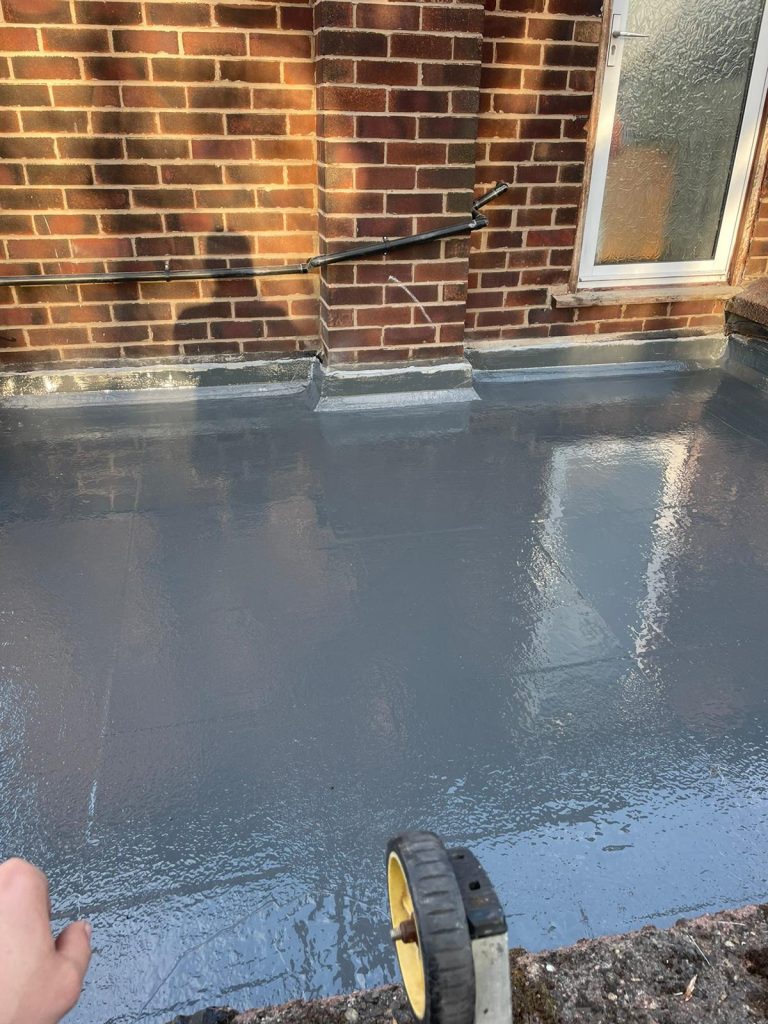
| Fibreglass (GRP) | 25–30 years | Very strong and impact-resistant but movement in the roof deck can lead to cracks over time which reduces GRP fibreglass roof lifespan. |
| Rubber (EPDM) | 25-40 years | Flexible and resistant to UV rays but punctures from foot traffic or falling debris can shorten its lifespan. |
| PVC | 20-40 years | Excellent waterproofing and chemical resistance but longer exposure to extreme temperatures can weaken seams and joints. |
| TPO | 15–30 years | Energy-efficient and resistant to UV rays but poor installation or failed welds can reduce its lifespan. |
| Lead Sheet | 50+ years | Extremely durable and highly weather-resistant but thermal expansion and contraction can cause cracking if movement is not properly accommodated. |
Hidden Factors That Lead to Faster Roof Decay
Roofs in the UK are constantly exposed to weather, moss and pests that greatly impact their condition over time. To make sure a roof actually lives up to its lifespan homeowners should protect their roofs from the following factors:
Wind-driven rainfall: The rain falls sideways on roofs and forces water to penetrate under tiles. Broken tiles, cracks in chimneys or gaps should be timely repaired to prevent water damage.
Freeze-thaw cycles: Water that stays behind in the roof structure freezes and expands in the colder season. It causes cracks to become wider that increase roof damage.
Blocked gutters: Dirt, leaves and other buildup block gutters which causes water to back up to the roof. Especially in low-slope roofs standing water is one of the main causes of reducing felt, rubber or GRP fibreglass roof lifespan.
Trapped moisture: Roofs on the Northern side of England rarely get fully dry because of more rainy days. They stay damp most of the time and trap moisture that increases risks of leaks and mould.
Pests and rodents: Damp and humid attic and loft spaces attract pests and rodents such as rats, mice, insects and squirrels. Once inside they damage insulation and timber and shorten the lifespan of the roof.
Moss: Trapped moisture in a humid environment leads to moss growth that stores even more moisture. Without proper repair at the root cause roofing structures like timber or roof boards start to rot.
Coastal salt: Roofs near the coast, seaside towns and coastal areas are exposed to salt-laden air carried by the wind. This salty air corrodes metal nails, screws and gutters and reduces their lifespan over time.
Signs A Roof Needs Repairs
Even if a roof is in good condition it needs regular maintenance to live up to its lifespan. Especially after a rain or windstorm homeowners should look for these signs of damage and call for a roofing specialist as soon as possible:
- Missing, cracked, or slipped roof tiles or slates
- Peeling paint or damp patches on ceilings and walls
- Loose ridge tiles or crumbling mortar joints
- Standing water on flat roofs for more than 48 hours
- Moss growth that is lifting tiles or trapping moisture
- Damaged or loose flashing around chimneys, skylights or roof valleys
- Blocked, damaged or overflowing gutters or sagging rooflines
- Increased energy bills caused by poor roof insulation
When to Repair vs Replace Your Roof
If the damage is caused by storms, fallen branches, hailstrikes – basically localised damage that has not damaged the underlay then repairs make perfect sense. A reliable roofing contractor will seal all gaps and cracks to prevent water entry and replace damaged areas.
However if the damage has reached the underlay such as in cases where trapped moisture has caused rotten timber or damaged roof decking. Then replacing the roof is a better option to keep it lasting longer.
Another general rule of thumb is that if the total cost of repairs is exceeding 40 or 50% of the total replacement cost then it’s wiser to spend on the latter. Or if the roof is approaching the end of its lifespan and will likely need more repairs in the coming years. In such a case replacing it can add up to 5% to the total property value.
Maintaining Your Roof for Long-Term Performance
Roof replacement is an expensive investment which is why you should try your best to maintain it for its maximum lifespan. Following these suggestions can add up to 15-20 years of additional lifespan so you can get the most value from your roof:
- Call a professional roofing company twice a year to thoroughly inspect the roof. The most appropriate times are before and after winters (spring and autumn). Expert roofers can find hidden damaged areas that a normal eye cannot.
- During or after a storm do not let water stand on a roof. Standing water means gutters are blocked which increases the risk of water absorption into the roof structure and leads to early decay. Keeping good drainage is the key to increasing a flat roof’s lifespan.
- Invest in good ventilation. Poor airflow through attic and loft spaces leads to condensation and mould and increases risks of pest and rodent invasion. Proper ventilation keeps the roof dry and does not let moisture build.
- Trim overhanging tree branches. This reduces the risk of falling branches, leaf buildup and damage from branches rubbing against the roof during windy weather.
- Replace damaged areas immediately. A single cracked or slipped tile can let water enter the roof structure and cause larger problems over time. Similarly small issues such as loose ridge tiles, cracked mortar or small leaks are much cheaper to fix before they worsen.
- Avoid unnecessary foot traffic. This is obvious but walking on the roof can crack tiles and damage membranes which shortens the lifespan of a roof.
Final Thoughts
Looking for expert roofers in Staffordshire and Cheshire for roofing services?
Embassy Roofing offers reliable roofing support for leaks, damaged roofs, missing tiles, storm damage and complete roof replacements for both pitched and flat roofs. Whether you have a terraced roof, a semi-detached or large-detached roof you can count on us for our skilled workmanship and lasting results. And the best part? All our work is insured and guaranteed so our clients stay assured of the quality of work.
Have more questions? Just give us a call at +44 7362 258905 or email at info@embassyroofing.co.uk to book a free roofing inspection across Staffordshire, Leek, Cheshire and surrounding areas!